


Is Your Company Responsible For An Planing Machines For Diyers Budget?…
페이지 정보
작성자 Millard Repass 작성일26-01-19 08:34 조회2회 댓글0건관련링크
본문
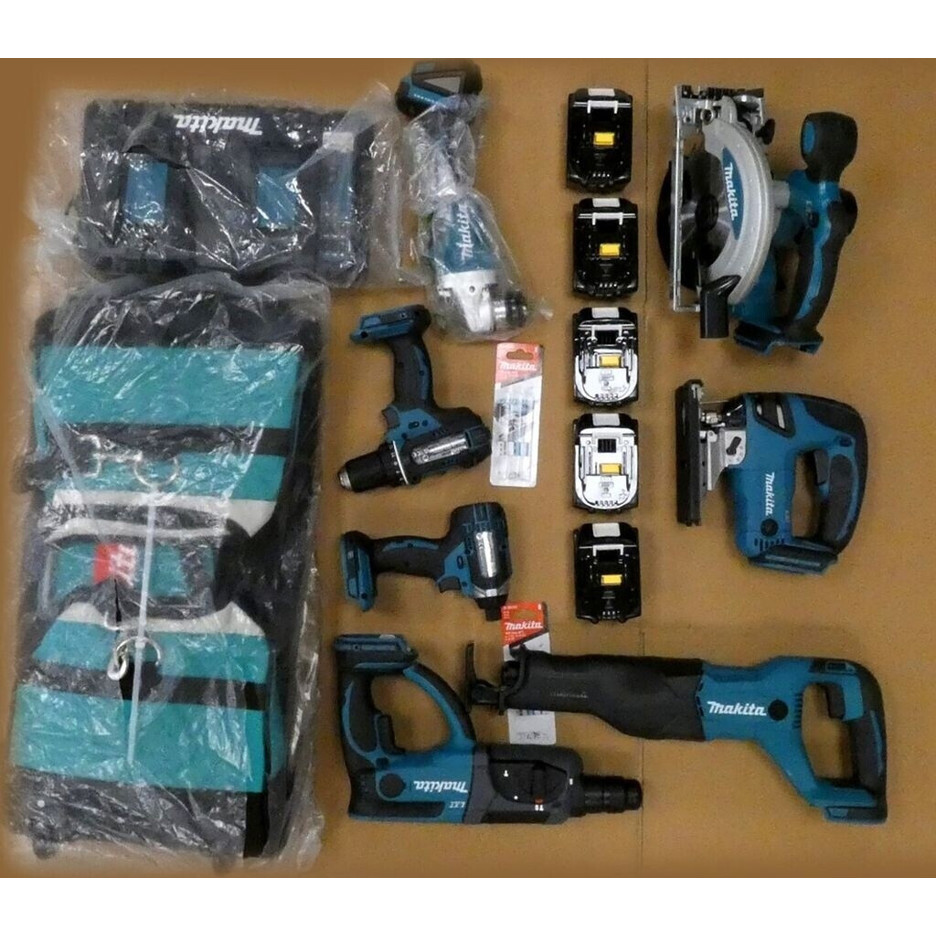
Planning Machines for DIYers: Unleashing Your Woodworking Potential
When it pertains to woodworking, having the right tools can make all the difference. One essential tool that can elevate the quality of your projects and improve the process is a preparation machine. Whether you're a skilled artisan or a weekend DIYer, understanding the ins and outs of these machines can assist you accomplish the precision and finesse you desire in your woodworking projects. In this comprehensive guide, we will dig into the nuances of preparing machines, their types, key functions, benefits, and some regularly asked questions.
What is a Planning Machine?
A preparation machine, typically referred to as a planer, is a woodworking gadget used to reshape and smooth wooden surfaces. By eliminating abnormalities and making consistent thickness, a planer can significantly enhance the finish and quality of your wood pieces. This tool is vital for anyone intending to create professional-grade woodwork.
Kinds Of Planning Machines
When thinking about the purchase of a preparation device, DIYers can pick from numerous types, each with its own set of functions and advantages:
| Type of Planner | Description | Best for |
|---|---|---|
| Handheld Planer | Portable, easy to use | Small projects, quick touch-ups |
| Bench Planer | Fixed, fixed-height | Larger panels, constant width |
| Thickness Planer | Gets rid of product from the surface area | Attaining uniform thickness |
| Jointers | Flattens one side of lumber | Preparing boards for joining |
Secret Features to Look For
When choosing a preparation maker, particular features can enhance your woodworking experience. Here are some crucial characteristics to consider:
- Motor Power: The motor's power normally ranges from 12 to 20 amps. A stronger motor can manage denser woods and bigger jobs.
- Cutting Width: The width of wood the planer can accommodate. Typical sizes range from 12 inches to over 20 inches.
- Table Length: A longer table normally supplies stability for bigger boards, decreasing the chance of snipe (a flaw that can take place in the leading or tracking edge of a board).
- Height Adjustment: Some planers provide easy height adjustments for different thickness materials.
- Dust Collection: Efficient dust collection systems can assist keep your workspace tidy and enhance presence.
Benefits of Using Planning Machines
Integrating a preparation maker into your DIY toolkit comes with a myriad of advantages:
- Time Efficiency: Speed up your sanding and ending up process by attaining smooth surface areas rapidly.
- Precision: Ensures consistent density throughout your wood pieces, crucial for joinery and fitting.
- Finish Quality: Produces a final product that is professionally smooth, making it ideal for furniture production or other in-depth projects.
- Flexibility: Allows for customization of wood measurements, adjusting to particular task needs.
How to Use a Planning Machine
Utilizing a preparation maker successfully requires comprehending its operation. Here's a step-by-step guide:
- Select your wood: Ensure it is without nails or screws to secure the blades.
- Adjust the height: Based on the density of the wood you plan to process.
- Power up: Turn on the machine and permit it to reach complete speed before feeding wood into it.
- Feed the wood: Slowly and regularly feed wood into the maker, preserving a constant pressure without forcing it.
- Examine the finish: After planing, inspect the surface for smoothness and consistency.
Security Tips
- Always use proper safety equipment, consisting of eye protection and earplugs.
- Keep hands clear of the cutting area.
- Ensure the work space is tidy and uncluttered.
Common Applications of Planning Machines
Planning machines are flexible tools that can be used for different woodworking tasks, including:
- Flattening Rough Lumber: Preparing rough-cut lumber for furniture and cabinets.
- Thicknessing: Achieving constant density throughout various pieces of wood.
- Creating Square Edges: Perfect for joinery tasks, guaranteeing pieces fit together flawlessly.
- Smoothing Rough Surfaces: Removing imperfections and preparing wood for finishing.
FREQUENTLY ASKED QUESTION
Q1: What is the difference in between a thickness planer and a board planer?
A: A thickness planer is developed to accomplish a specific density throughout the entire board, while a board planer focuses on smoothing out the surface area and flattening the edges.
Q2: Do I require a dust collection system with my preparation device?
A: While it's not necessary, a dust collection system is extremely advised as it enhances presence and cleanliness in your work area.
Q3: Can I utilize a handheld planer for bigger projects?
A: Yes, Hobelmaschinen-Shop - My Web Site, however it might be less efficient and can cause unequal results compared to fixed models specifically designed for bigger tasks.
Q4: What type of wood is best for newbies?
A: Softwoods such as pine or cedar are great for novices since they are simpler to deal with and more flexible.
Q5: How do I preserve my preparation device?
A: Regularly clean the blades, look for sharpness, and ensure that all moving parts are well-lubricated according to the producer's suggestions.
Investing in a preparation maker can significantly boost a DIY lover's ability in woodworking projects. By allowing precise thickness, uniform surface areas, and a general professional finish, these machines are important tools that can foster imagination and enhance the quality of projects. With proper usage and upkeep, any DIYer can take full advantage of the advantages of a preparation device, changing raw products into wonderfully completed products. As you embark on your woodworking journey, think about the advantages that a good preparation maker can give your craft.
댓글목록
등록된 댓글이 없습니다.
 - 계좌정보